Conventional vs. Inverter Generator: Which Fits Your Setup Better?
Choosing the right portable power unit requires balancing raw electrical output against clean wave delivery. Understanding core engineering differences prevents costly equipment damage on the job site.

Conventional generators dominate heavy construction sites demanding massive startup surges. Meanwhile, inverter generators excel for sensitive electronics and quiet residential backup needs.
Compare all top models in our Best Home Emergency Generator.
Side-by-Side Breakdown
| Criteria | Conventional | Inverter Generator | Edge |
|---|---|---|---|
| Peak Performance & Output | High surge capacity for heavy industrial tools | Stable output optimized for moderate loads | Conventional |
| Duty Cycle & Consistency | Fixed 3,600 RPM maintaining constant frequency | Variable throttle adapting dynamically to load | Inverter |
| Operating Noise & Vibration | Louder open-frame design exceeds 70 decibels | Enclosed baffling keeps noise under 55 decibels | Inverter |
| Portability & Footprint | Heavy steel frames requiring wheel kits | Compact, lightweight casings with easy handles | Inverter |
| Maintenance & Service Life | Simpler mechanical layouts favor DIY repairs | Complex electronics require specialized servicing | Conventional |
| Power Requirements | Standard AC power with higher distortion | Pure sine wave safe for microprocessors | Inverter |
| Best Ideal Use-Case | Job sites and heavy contractor workloads | Camping, tailgating, and home backup | Inverter |
Core Architectural Differences and AC Generation
Traditional portable generators rely on a direct-drive alternator coupled to a combustion engine running at a fixed speed. This mechanical linkage forces the engine to maintain 3,600 RPM continuously to produce standard electrical frequency.
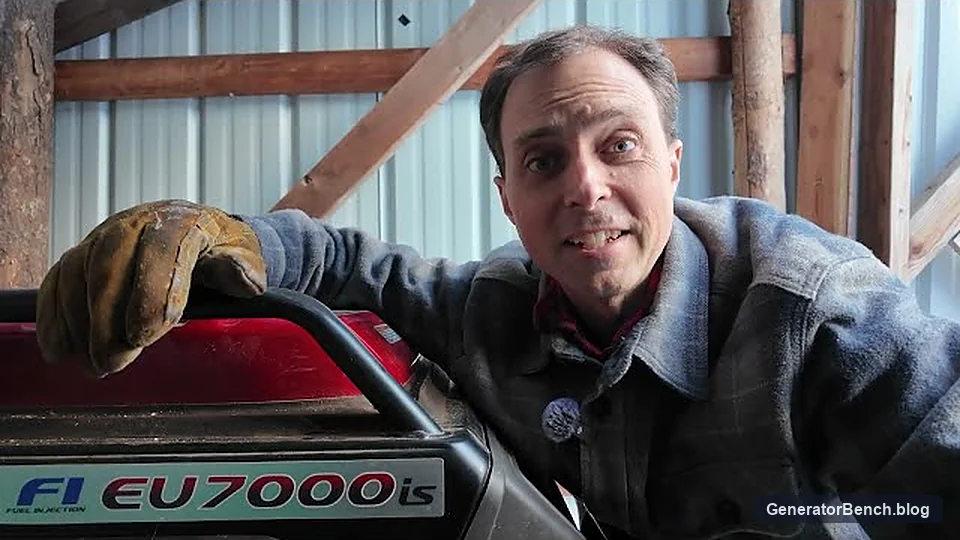
Advanced multi-stage power conversion allows units featured in our best power inverter generator review to decouple engine speed from frequency generation. Onboard computers rectify high-frequency alternating current into direct current before inverting it cleanly.
Conventional models couple a rotating alternator directly to the engine crankshaft, locking electrical frequency to mechanical RPM. Operating at precisely 3600 RPM maintains standard 60Hz output through fixed magnetic pole configurations.
Inverter systems decouple engine speed from frequency by utilizing a multi-phase permanent magnet alternator. Raw AC is rectified into DC, then inverted into clean AC, allowing variable RPM matching for loads.
- Fixed engine speed drives traditional direct-drive alternator setups.
- Multi-stage rectification converts high-frequency AC to stable power.
- Synchronous rotation demands constant high RPM for frequency stability.
Mechanical Output Realities
Fixed-speed units inherently suffer from mechanical inefficiency when running under partial electrical loads. Because the throttle cannot adjust dynamically, fuel consumption remains high regardless of how many appliances are actually connected.
Modern microprocessors manage variable throttle response across inverter alternator assemblies seamlessly. The internal combustion engine scales its rotational velocity downward whenever electrical draw drops, conserving valuable fuel reserves during prolonged operations.
- Fixed throttle systems burn excess fuel under partial loads.
- Microprocessor controls optimize engine RPM for variable demands.
Power Quality, THD, and Sensitive Electronics Protection
Total Harmonic Distortion measures the purity of an alternating current sine wave delivered to connected loads. Conventional units often exhibit exceeded THD levels above fifteen percent, which introduces electrical noise and thermal stress.
Models featured in our best portable inverter generator guide produce exceptionally clean output with total harmonic distortion kept below three percent. This pristine sine wave safely powers microprocessors found in modern electronics.
Standard conventional generators typically exhibit a Total Harmonic Distortion (THD exceeding 15%), which can cause overheating in modern microprocessors. This electrical noise stresses sensitive power supplies within computers and medical devices.
Advanced inverter technology filters the synthesized waveform, achieving a pristine THD rating below 3%. This level matches commercial grid power, ensuring safe operation for microprocessor-controlled appliances and variable-speed HVAC units.
- High THD causes overheating in sensitive inductive appliance motors.
- Clean sine wave delivery prevents micro-circuitry degradation over time.
Electrical Load Sensitivity
Running modern appliances on dirty power risks immediate logic board failure or degraded transformer lifespans. Standard open-frame models simply lack the electronic filters required to smooth out jagged voltage peaks during surges.
Integrated digital regulators protect downstream electronics by actively clamping voltage spikes before they reach receptacles. Field technicians rely entirely on these purified waveforms when operating precision diagnostic tools in remote locations.
- Dirty power accelerates transformer core degradation and failure.
- Digital voltage clamping protects sensitive diagnostic field instruments.
Fuel Efficiency, Engine Modulation, and Runtime Mechanics
Fuel consumption dictates operational costs during extended grid outages or remote job site deployments. Conventional generators burn through fuel rapidly because their carburetors lack smart load-sensing throttle automation features.
Inverter models integrate eco-throttle modes that automatically match engine RPM to current wattage demands. This intelligent modulation dramatically extends runtime per gallon when powering modest residential refrigerators or communication gear.
Because conventional units must sustain maximum RPM to preserve frequency, they consume constant fuel volume regardless of connected load. Running at full throttle under light loads drastically reduces thermal efficiency.
Inverters integrate microprocessors that throttle engine speed up or down based on real-time demand, extending runtime significantly. Lower idle speeds also decrease mechanical wear and reduce overall operating temperatures.
- Carburetor limitations prevent conventional engines from throttling down.
- Eco-modes reduce fuel burn by matching engine speed to load.
Extended Runtime Analysis
Extended runtime capabilities make inverter generators vastly superior for overnight camping and emergency preparedness scenarios. Users avoid frequent refueling interruptions during critical midnight hours when continuous power matters most.
Industrial contractors running large hammer drills rarely benefit from eco-mode fuel savings. Heavy, continuous electrical loads force both generator types to operate at maximum throttle, negating advanced modulation efficiency advantages.
- Overnight operations benefit immensely from extended inverter runtimes.
- Heavy continuous loads eliminate fuel efficiency gaps between types.
Acoustic Engineering, Decibel Ratings, and Enclosure Design
Noise pollution remains a primary complaint among users operating conventional open-frame generators near campsites. Exposed engines and lack of sound-dampening acoustic baffling frequently generate noise levels exceeding seventy decibels at twenty feet.
Inverter generators utilize fully enclosed polymer or steel housings lined with high-density sound-absorbing foam. These specialized enclosures restrict sound propagation, allowing units to operate quietly around fifty-five decibels under typical loads.
Open-frame conventional generators expose engine vibration and exhaust pulses directly to the environment, frequently generating noise levels surpassing 72 dB. This volume prevents normal conversation and requires distant placement from living spaces.
Inverters utilize enclosed, sound-damped structures lined with acoustic insulation and multi-stage mufflers, dropping noise outputs near 50 dB. This quiet engineering makes them ideal for residential backup and remote campsites.
- Exposed engine designs amplify mechanical valve and exhaust noise.
- Enclosed inverter housings significantly reduce overall decibel footprints.
Job Site Versus Residential Noise
Construction zones tolerate higher noise thresholds, making conventional units acceptable for daytime framing and demolition work. Municipal noise ordinances, however, heavily restrict noisy equipment use in densely populated residential neighborhoods during emergencies.
Quiet inverter operation prevents community friction when running systems selected from our best inverter generator for home backup roundup through outages. Homeowners comfortably converse outdoors without shouting over a roaring engine.
- Daytime construction environments easily tolerate higher decibel outputs.
- Quiet operation maintains neighborhood harmony during prolonged grid failures.
Physical Footprint, Ergonomics, and Field Portability
Weight distribution heavily favors inverter generators due to compact multi-pole alternator designs and lightweight casing materials. A typical inverter unit integrates easily into vehicle trunks or truck beds without requiring specialized lifting equipment.
Conventional generators feature bulky cast-iron cylinder sleeves, heavy steel frames, and massive copper-wound stators. Transporting these heavy open-frame units usually requires rugged wheel kits and two-person lifting maneuvers across uneven terrain.
Conventional frames utilize heavy steel tubing to support large cast-iron engine blocks, resulting in dry weights exceeding 150 pounds. Transporting these heavy machines usually demands integrated wheel kits and multiple lifting assistants.
Inverter architectures prioritize compact case designs and lightweight aluminum components, often keeping unit weight under 50 pounds. Ergonomic suitcase handles facilitate single-person lifting and straightforward transport in compact vehicle trunks.
- Multi-pole alternator technology slashes overall unit weight dramatically.
- Heavy steel frames and stators demand sturdy transport wheels.
Ergonomic Transport Solutions
Integrated telescoping handles and molded lift points make modern inverters exceptionally user-friendly for solo operators. Ergonomic placement of control panels ensures quick operational adjustments without awkward reaching or strain.
Industrial conventional units rely on rigid tubular steel roll cages for rugged drop protection. While durable, these heavy cage designs increase total physical dimensions and complicate tight storage arrangements in service vehicles.
- Telescoping handles facilitate effortless solo transportation and loading.
- Tubular roll cages offer superior impact resistance on sites.
Routine Maintenance Protocols and Long-Term Durability
Regular maintenance ensures reliable performance across both generator categories throughout their operating lifespans. Engine oil changes, air filter cleanings, and spark plug inspections remain mandatory tasks for preventing premature mechanical failure.
Conventional generators boast simpler mechanical layouts that allow DIY mechanics to service carburetors easily. Fewer solid-state electronic control boards mean fewer failure points when operating in harsh, dusty, or moisture-laden environments.
Conventional engines require frequent oil changes every 100 operating hours because they operate continuously under high thermal stress. Maintaining clean air filters is also vital for preventing premature cylinder wall scoring.
Inverters feature densely packed internal components that complicate deep mechanical repairs, making preventative maintenance crucial. Checking inverter cooling vents regularly prevents dust accumulation that can trigger thermal shutdown sequences.
- Basic mechanical layouts simplify home mechanic servicing tasks.
- Minimal electronics reduce vulnerability in harsh outdoor environments.
Electronic Component Vulnerabilities
Complex inverter-controller modules contain sensitive microprocessors susceptible to moisture corrosion and thermal stress. Repairing a failed inverter module often requires proprietary diagnostic equipment and expensive replacement circuit board assemblies.
Routine carburetor maintenance is critical because small jets clog quickly when running stale gasoline. Adding fuel stabilizers and running float bowls dry prevents gum accumulation during extended off-season storage periods.
- Inverter control boards require specialized diagnostic tools for repairs.
- Stale gasoline clogs small carburetor jets during storage.
Choosing the Ideal Generator Architecture for Your Workload
Selecting the correct generator depends entirely on your specific power requirements and environmental constraints. Evaluate your peak wattage needs alongside noise regulations and electronic sensitivity before making a final purchasing decision.
Choose conventional generators for high-demand job sites requiring continuous heavy surge capacity and rugged durability. Explore options in our quietest generator inverter guide when clean power and low noise matter.
Select conventional generators when powering high-draw contractor tools or whole-home transfer switches requiring robust surge capacity. Their durable build handles demanding jobsite conditions and heavy industrial motor loads exceptionally well.
Opt for inverter generators when recreational camping, tailgating, or operating sensitive medical electronics demand clean and quiet power. Their parallel capability also allows combining two units for increased output.
- Match generator type to specific job site or backup demands.
- Assess wattage surges, noise limits, and portability before buying.
Multi-Unit Parallel Capability
Many modern inverter generators feature parallel kits that link two smaller units for double output. This modular approach provides high wattage capacity without sacrificing the lightweight portability of single smaller generators.
Conventional units achieve higher standalone power ratings directly from large single-engine blocks without complex bridging. Contractors needing massive uninterrupted job-site power prefer these robust single-engine solutions over linked parallel setups.
- Parallel kits double inverter wattage output without heavy lifting.
- Large single engines provide massive standalone power capabilities.
Frequently Asked Questions
Can I run a refrigerator on a conventional generator?
Yes, conventional units easily handle the high startup wattage required by compressor motors. However, ensure your fridge does not rely on ultra-sensitive smart control boards that require clean sine wave power.
Why are inverter generators significantly more expensive?
Inverter generators incorporate sophisticated microprocessors and multi-stage power conversion electronics. These advanced engineering components increase manufacturing costs compared to basic direct-drive conventional alternator assemblies.
Can I connect two inverter generators together?
Most portable inverters include parallel ports that allow dual-unit linking. This configuration doubles your available running wattage while retaining manageable individual lifting weights.
Do conventional generators damage laptops?
Unfiltered electrical output with high harmonic distortion can overheat sensitive laptop power supplies. It is always safer to use a dedicated line conditioner or switch to an inverter model.
Which generator type lasts longer?
Conventional generators often achieve longer overall service lives due to simpler mechanical components. Inverter units feature complex circuit boards that can fail prematurely in harsh weather conditions.